Before the run
Define the intended product, representative feed lots, measurement methods and acceptance criteria with the supplier. Name the downstream equipment included in the test. Record batch identity, incoming mass, condition and temperature where relevant. Confirm operating instructions and safe observation positions before the demonstration begins.
During the run
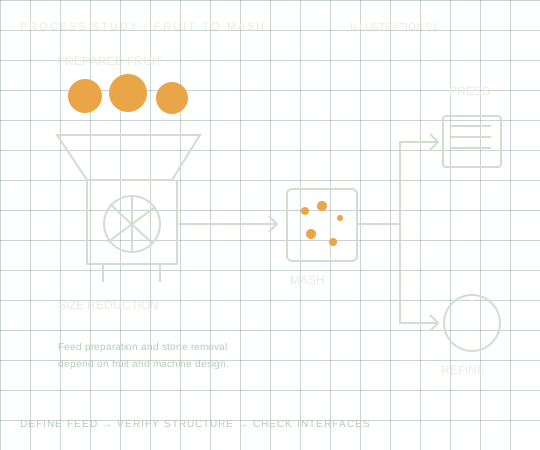
Log the configuration, start and stop times, measured feed quantity, accepted output and separated fractions. Distinguish running time from interruptions. Record why a run stopped and what changed before restart. If only the crusher is tested, mark downstream compatibility as unverified rather than treating an attractive mash sample as complete process acceptance.
After the run
Compare output quality and line behaviour against the pre-agreed criteria. Explain the basis of every calculated result. For example, accepted output mass divided by measured input mass describes that trial’s mass fraction; it is not automatically juice extraction yield. Account for retained material and uncollected fractions before interpreting a mass balance.
Before signing off
Repeat important conditions with representative variability rather than relying only on the best batch. Add the cleaning and changeover observations, agreed exceptions and outstanding actions to the record. Carry the accepted settings and interface requirements into the final equipment specification. This protocol is a planning framework; suppliers and the responsible engineering team must approve the actual acceptance test.